Instagram promotion flows may offer goals such as more profile visits, more website visits, or more messages, depending on the account and current interface. These goals send people to different places and create different operational work. The best choice is the one that makes the next useful action easiest and measurable.
VISUAL LESSON
What you will learn
- 01Match the promotion goal to the customer task.
- 02Prepare each possible destination.
- 03Build a comparable downstream scorecard.
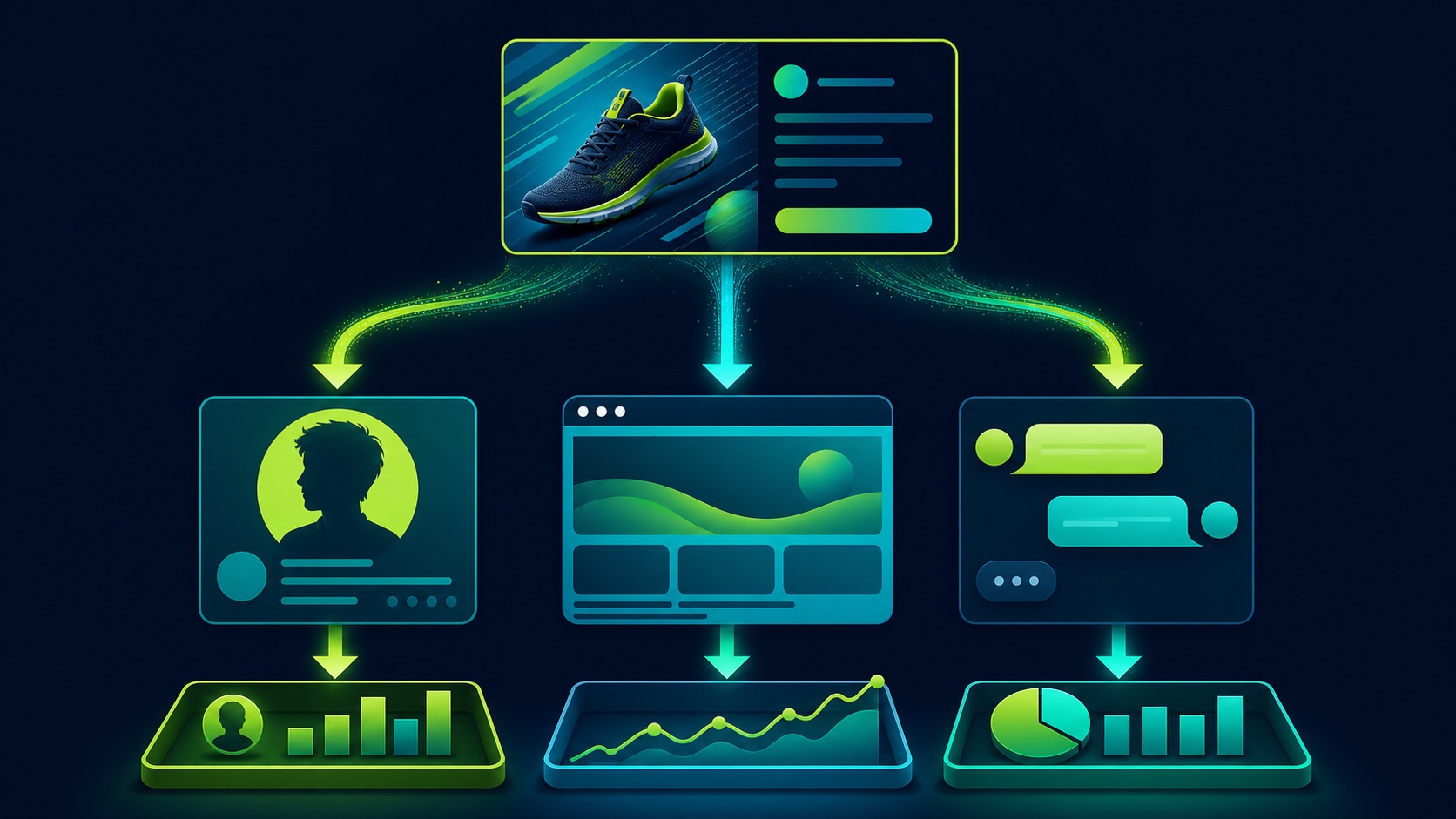
ILLUSTRATIVE WORKED EXAMPLE
Compare illustrative downstream quality
PRACTICAL INTERFACE MAP
Choose and QA one promotion destination
Choose profile, website, or messages only after defining the campaign job, qualified action, capacity, and measurement.
Audit profile, landing page, or message greeting, including identity, offer, proof, response ownership, privacy, and conversion path.
Run the published path on mobile, then connect platform activity to qualified actions without blending unlike denominators.
STEP-BY-STEP LESSON
Campaign job → destination choice → prepared surface → qualified outcome
THE LEAD ATLAS METHOD
Lead Atlas Data can create a custom business-contact list for the same campaign's market, locations, and categories while Instagram promotion handles its separate paid discovery path.See how custom list research works ↗Define the next useful customer action
Write the audience, problem, promise, proof, action, and business outcome. Choose profile visits when the profile itself explains the offer and routes people onward; website visits when a specific page performs the task; messages when a conversation is necessary and staffed.
Do not choose the goal with the cheapest surface metric by habit. A profile visit, website session, and message require different intent and cannot be compared as if they were the same result.
Prepare the profile destination
Make the account identity, category, location, offer, proof, recent posts, link, contact buttons, highlights, accessibility, and privacy expectations clear. Pin or feature the content a new visitor needs to understand the next step.
Define useful profile actions such as a qualified website tap, call, email, follow, or saved content. Profile activity is intermediate evidence, not guaranteed demand.
Prepare website or message paths
For website visits, use a mobile page with message match, fast loading, clear action, consent handling, measurement, and confirmation. Test redirects and campaign parameters. For messages, create a truthful greeting, qualifying questions, response hours, handoff, privacy rules, and stop path.
Assign capacity before launch. A messages campaign can fail operationally even when delivery is strong if replies are slow, questions are unclear, or private information is requested unnecessarily.
Configure and test the promotion
Use the available promotion or Ads Manager route, then confirm goal, destination, audience, exclusions, budget, duration, identity, creative, CTA, payment, tracking, and preview. Record any account-specific limitations instead of assuming every goal is available.
Open the live destination from a representative device, submit a test action, and confirm analytics, inbox routing, notifications, and ownership. Fix the receiving surface before increasing spend.
Evaluate the whole journey
Report cost and volume at the selected goal, then reconcile profile actions, sessions, messages, qualified conversations, leads, bookings, sales, response time, disqualifications, and follow-up capacity. Use consistent dates and maturation windows.
Deliverable: campaign job statement, goal decision, destination-readiness audit, profile or page updates, message playbook, audience and budget, published-path test, measurement map, quality scorecard, capacity review, decision, and owner.
THE TAKEAWAY
Select one destination that is ready to convert interest, define what a qualified action means there, and compare downstream outcomes rather than treating visits, clicks, and conversations as equivalent.OFFICIAL REFERENCES