A customer tag, review, or creator submission is not automatically a reusable marketing asset. The business needs permission for the intended channels and edits, a record of compensation or other material connection, truthful claims, and clear disclosure where the relationship could affect how people evaluate the endorsement. This lesson builds an operational workflow, not legal advice; specialists should review the terms for the relevant markets and industry.
VISUAL LESSON
What you will learn
- 01Distinguish content permission, endorsement disclosure, and claim substantiation.
- 02Create an approval record for channels, edits, term, and compensation.
- 03Build a prepublish and expiration checklist.
ILLUSTRATIVE 20-ASSET QUEUE
A visible post is not necessarily publish-ready
UGC OPERATING MAP
Keep rights and disclosure visible
Record the source URL, date, creator contact, original caption, people or property shown, and whether any reward or relationship exists.
Confirm channels, paid or organic use, edits, crop, caption, duration, geography, attribution, compensation, disclosure, and withdrawal process.
Verify the approved version, truthful claims, clear disclosure, accessibility, platform settings, expiry date, and owner of future takedown requests.
THE UGC RIGHTS PATH
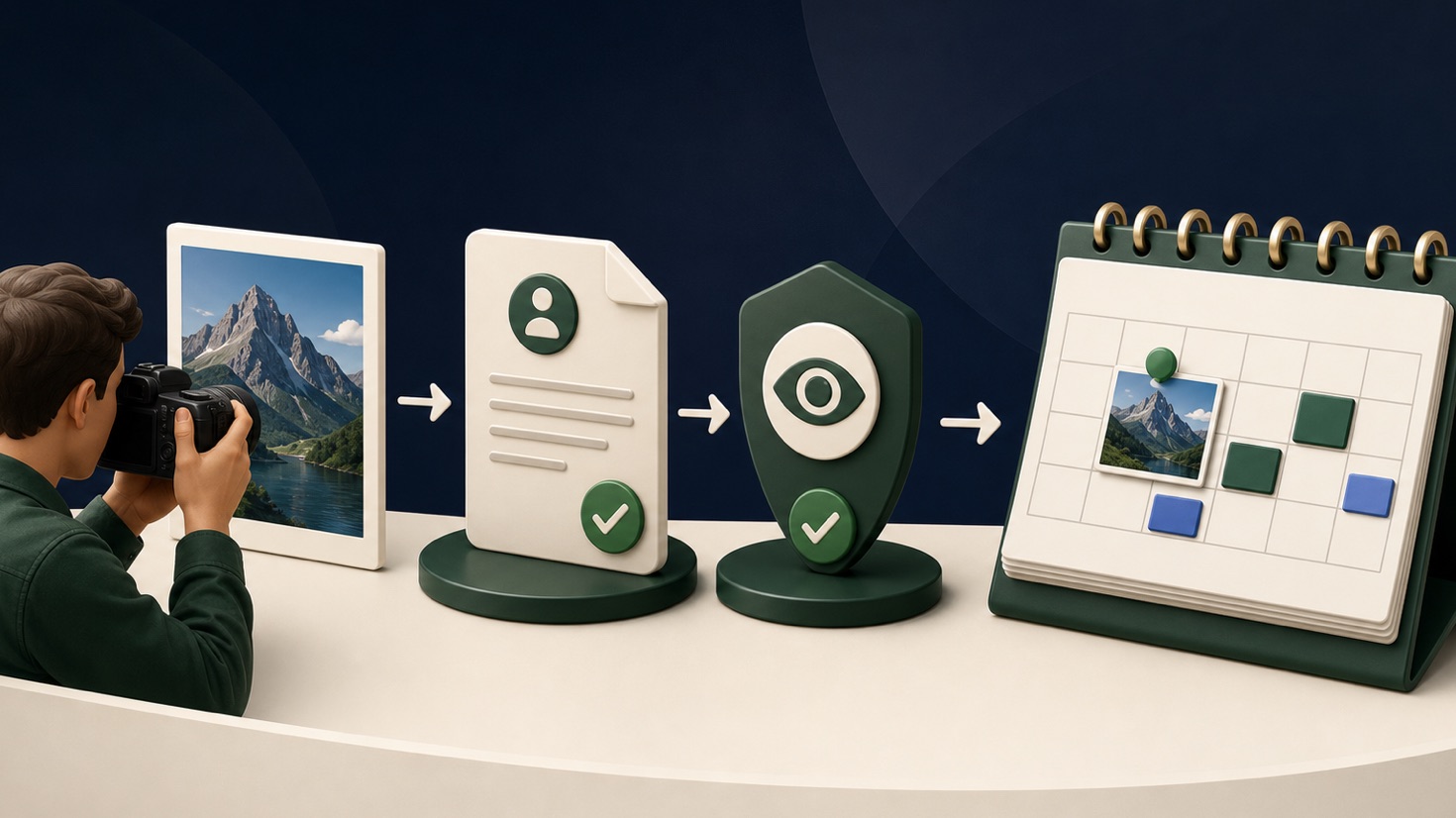
Source → permission → disclosure → approval → publish
THE LEAD ATLAS METHOD
Lead Atlas Data can supply campaign-specific business contacts by location and category, while UGC permissions and creator relationships remain separate records with their own approvals and disclosure requirements.See how custom list research works ↗Separate the four approval questions
Ask whether the business has permission to use the content, whether people or property in it require additional permission, whether a material connection needs disclosure, and whether every express or implied product claim is truthful and supported.
A yes to one question does not answer the others. A free product may create a disclosure issue even when the creator owns the video, and a creator's permission does not substantiate a performance claim.
Request specific, understandable permission
Identify the exact asset and intended organic posts, paid ads, website, email, crop, edit, caption, geography, duration, and attribution. Explain compensation and how withdrawal or expiration will be handled.
Avoid vague requests for unlimited use of anything a customer ever creates. Preserve the creator's response or signed agreement and route unusual or high-value use to appropriate counsel.
Make material connections clear
If payment, free product, discount, employment, family connection, or another relationship could affect how viewers evaluate an endorsement, determine the required disclosure with qualified guidance. Place clear language where people will notice it with the endorsement.
Do not hide the disclosure behind many hashtags, a profile page, or a more link. Platform tools can help but may not replace a clear, conspicuous disclosure in the content itself.
Review edits and claims
Confirm that cropping, subtitles, music, pacing, and caption do not change the creator's meaning. Verify product statements, results, testimonials, and typicality explanations with the people responsible for substantiation.
Keep a final approved file and version. If the offer, product, creator relationship, or permission term changes, pause reuse until the record is reviewed.
Complete the UGC asset register
Take ten candidate assets and record source, creator, people shown, permission scope, paid-use status, edits, material connection, disclosure, claims, approval owner, term, expiry, and takedown contact.
Deliverable: permission request template for specialist review, asset register, final-version folder, disclosure checklist, claims-review owner, expiration reminders, and a documented removal process.
THE TAKEAWAY
Obtain specific permission, record material connections, disclose them clearly with the endorsement, preserve the approved edit and term, and remove content when rights or facts expire.OFFICIAL REFERENCES